How to Preserve Your Parents' Stories Before They Are Lost
To preserve your parents’ stories, begin by asking thoughtful questions, recording their voice, gathering family photos, and creating a clear structure around their memories. A cinematic legacy film brings these pieces together through a guided recorded interview, family photos, music, and careful editing, so your family can keep their voice, humour, values, and life story for generations.
Why preserving your parents’ stories matters
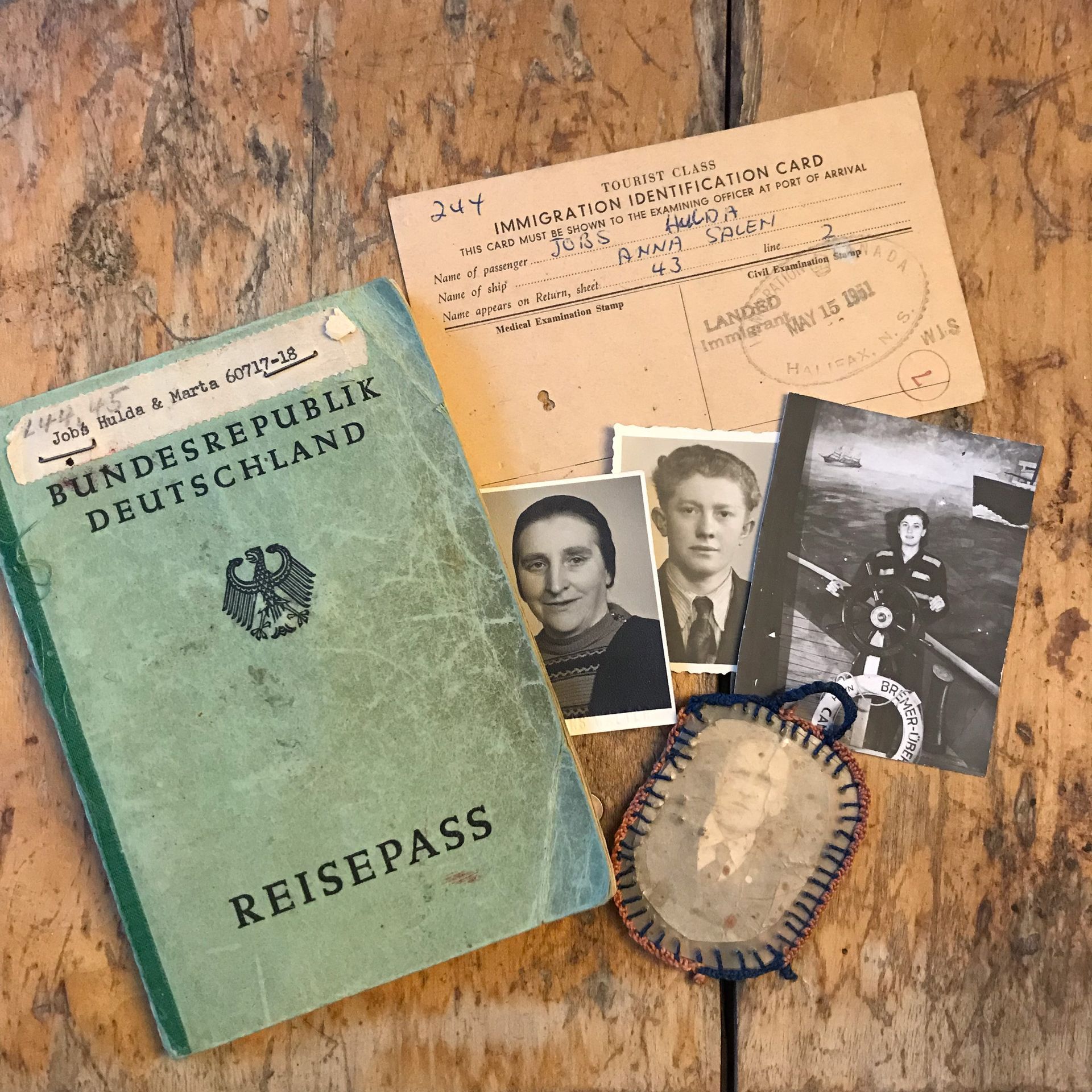
Many families have boxes of old photos but very few recorded stories.
You may have the photograph of the house, but not the story of the winter your parents moved in. You may have the wedding picture, but not the memory of what went wrong that morning. You may have a faded image of your grandparents, but not your mother’s voice explaining what they were really like.
Photos matter. But photos become far more meaningful when the people who remember them can explain what was happening, who was there, and why it stayed with them.
That is why so many adult children eventually ask, “How do I preserve my parents’ stories before it is too late?”
The answer begins with conversation.
Start before everything feels urgent
Preserving family stories does not need to begin during a crisis. In fact, it is often better when it does not.
When the process starts earlier, it can feel warmer, calmer, and more natural. Your parent has time to reflect. Family members have time to gather photos. The conversation can include laughter, pauses, memories, and details that might not come out in a rushed setting.
The goal is not to pressure anyone. The goal is to create space.
Some parents may say, “I do not have anything interesting to say.” That is rarely true. What they often mean is that they do not know where to begin.
A guided interview helps with that. The right question can open a whole chapter.
What should you record?
At minimum, try to preserve your parent’s voice.
A written family history is valuable, but a voice carries something writing cannot. The pace of speech. The laugh. The accent. The pause before a memory. The familiar way they say a name.
Future generations may want to know the facts, but they will also want to hear the person.
If you are beginning simply, record audio or video on a phone in a quiet room. Ask one question at a time. Keep it relaxed. Do not worry about creating a perfect interview at first.
If you want something more polished, a legacy film can turn those stories into a cinematic family documentary that is easier to watch, share, and pass down.
Gather photos, but do not let photos delay the process
Many families delay because the photos are not organized.
There are albums in closets, envelopes in drawers, framed pictures in hallways, and loose prints in boxes. It can feel overwhelming.
But you do not need to organize everything before beginning. Start with the most meaningful images.
Look for photos that naturally invite stories:
- Childhood homes
- Parents and grandparents
- Wedding photos
- Workplaces
- First cars or trucks
- Family farms
- Vacations
- Holiday gatherings
- Old friends
- Community events
- Gardens, kitchens, cabins, and familiar places
When you sit with a parent and open an old album, the best stories often come from images no one expected to matter. A small photo can lead to a story about a neighbour, a job, a difficult year, a friendship, or a family joke that still makes everyone laugh.
Ask questions that invite stories, not just facts
A common mistake is asking questions that lead to one word answers.
Instead of asking, “Did you like school?” try asking, “What do you remember most about walking into school when you were young?”
Instead of asking, “Where did you work?” try, “What was a typical workday like for you then?”
Instead of asking, “Were you close with your parents?” try, “What is something your mother or father used to say that you still remember?”
Good questions help people return to a scene. They invite memory, detail, and feeling.
Questions to help preserve your parents’ stories
Here are a few strong starting questions:
- What was your childhood home like?
- Who made you laugh when you were young?
- What did your parents or grandparents teach you?
- What was a difficult season that shaped you?
- What are you proudest of?
- What family tradition do you hope continues?
- What story about me or my siblings do you still laugh about?
- What do you wish you had asked your own parents?
- What advice would you give to your grandchildren?
- What do you want your family to remember about you?
These questions work because they are personal without being cold or formal.
They also leave room for humour. A parent’s embarrassing story about a child, a memory of a questionable haircut, or a tale about a family gathering gone sideways can be just as meaningful as a serious reflection.
Families are made from both tenderness and laughter.
Consider a guided recorded interview
A guided recorded interview can make the process easier for everyone.
When a family member asks the questions, the conversation can be beautiful, but it can also feel complicated. You may not know when to follow up, when to pause, or how to ask about sensitive parts of the past. Your parent may also edit themselves because you are in the room.
A guided interview creates a calm structure. Someone outside the family can ask thoughtful questions, listen closely, and help stories come forward naturally.
At In My Day Films, the interview is not a performance. It is a conversation. The goal is to help a loved one feel comfortable, respected, and understood.
Turn the stories into something your family will actually watch
One reason legacy films are powerful is that they create something complete.
Many families record pieces of audio or video, but those files sit on a phone or hard drive. A cinematic legacy film gives the stories shape. It combines interview footage, family photos, music, and careful editing into a film that can be watched on an anniversary, shared with siblings, shown to grandchildren, or kept as part of the family record.
The final result is not only information. It is presence.
Your parent’s voice. Their expression. Their humour. Their memories. Their way of telling a story.
That is what families are often most grateful to have.
How to preserve family stories in Saskatchewan
For families in Saskatoon and across Saskatchewan, preserving family history often means capturing stories tied to place.
A farm. A lake. A small town. A kitchen table. A prairie road. A church basement. A school. A garden. A living room that held decades of visits.
These places are part of the story.
A Saskatchewan legacy film can help preserve not only a person’s memories but also the landscape and culture that shaped them. That may include rural life, city life, immigration stories, Indigenous family history, community service, work, caregiving, faith, friendship, music, food, humour, and family traditions.
FAQ
How do I preserve my parents’ stories?
Start by recording their voice, asking thoughtful questions, gathering meaningful family photos, and organizing their memories into themes. A legacy film can bring these elements together in a polished, watchable format.
What is the best way to record parents’ stories?
The best method is a guided recorded interview in a quiet, comfortable setting. Video is especially valuable because it preserves facial expressions, voice, humour, and personality.
What if my parent says they have no stories?
Many people feel that way at first. Start with simple prompts about childhood, family, work, food, home, friendship, and funny memories. The right question often unlocks a story.
Should I record audio or video?
Both are valuable, but video preserves more. It captures voice, expression, gestures, laughter, and presence.
Can a legacy film include old photos?
Yes. Family photos are often woven into the film to support the stories and help viewers connect memories to people, places, and moments.
Recent Posts